When Cute Behaviours Become Obsessive In Dogs
June 9, 2017
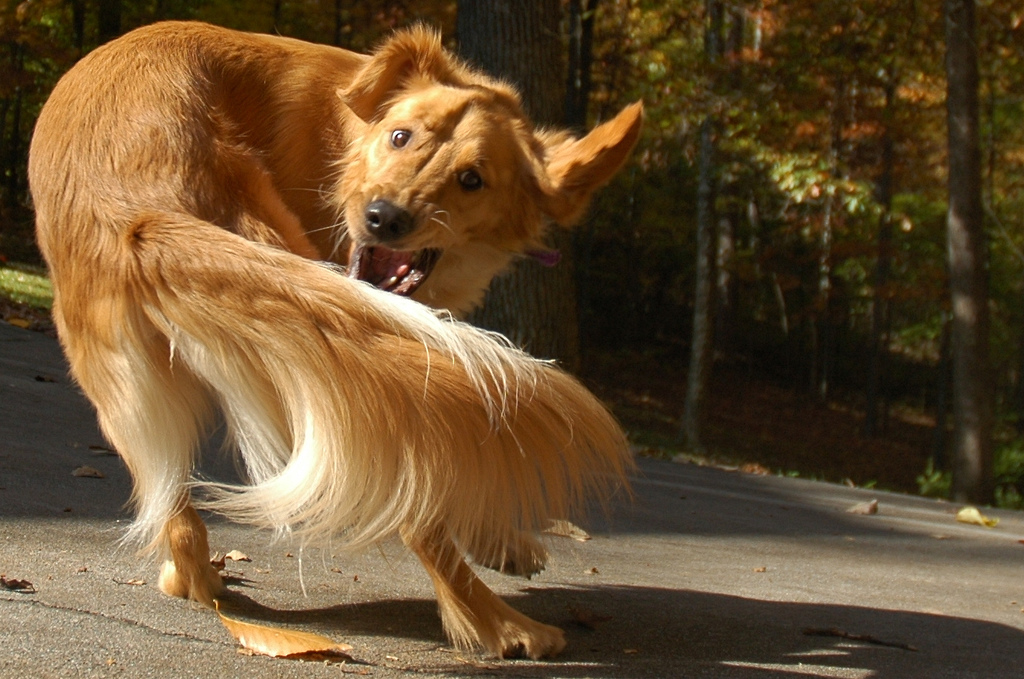
Studying dog behaviour is a fascinating pastime and a great way to truly understand your pet better. While you might not always interpret your dog’s behaviour correctly, if you notice he’s becoming obsessed with something like chasing his tail constantly or gnawing his feet, you need to intervene. By knowing how to curtail (pardon the pun) these behaviours before they become obsessive could mean a higher quality of life for your dog.
Obsessive behaviours in dogs usually all amount to one thing: seeking attention. But behind these attention-seeking acts lie other issues that could signal a medical problem. All puppies will playfully chase their tails now and again, but if it continues well into adulthood or if it suddenly appears later in life, you should be concerned. The same is true of other obsessive behaviour.
Breed-Specific Compulsive Behaviours
Some breeds are more prone to obsessive behaviours than others, so this is something to consider when you’re deciding on what kind of dog is right for you. Here are a few well-known breeds that are predisposed to certain compulsive disorders:
- Bull Terriers and German Shepherds are predisposed to tail chasing.
- Labrador Retrievers are predisposed to eating everything in sight, a condition called pica.
- Doberman Pinschers are predisposed to sucking on their flanks.
It’s good to know, though, that you can help prevent these behaviours from escalating by knowing how you’re contributing to them. Ultimately, your dog wants attention. If he gets your attention, even if it’s telling him to stop, he’ll be happy with that and keep doing it. It’s better to try and distract him with another toy or a ball to get his mind off it.
According to PetMD, there are two simple things you can try to help you determine whether your dog’s obsessive behaviour is attention-seeking or part of a bigger issue.
How Do I Know If My Dog's Behaviour Is Obsessive?
1. Set up a camera so you can film your dog when you’re away from home. This will help determine if he displays the same behaviour when you’re not at home and give you an idea of how often he’s doing it.
2. When you are at home and your dog starts to exhibit the obsessive behaviour, get up and leave the room. If your dog’s behaviour ceases, then it’s an attention-seeking tactic. But if he continues whether you’re there or not, it could be time to take your pet to the vet.
Some dogs display obsessive behaviour because they’re frustrated and bored at being stuck at home all day. Plenty of exercise is always a good game plan to solve that issue. Make sure your dog gets the kind of exercise he or she needs for their breed every day. Exercise and a nutritious diet is the best way to keep your dogs healthy and happy for life.
by Natalie Secretan
Professional Dog Walker
PuppyDogCapers.com
Photo credit: Tim Mowrer - Catch It If You Can