Why Do Dogs Dig?
December 29, 2022
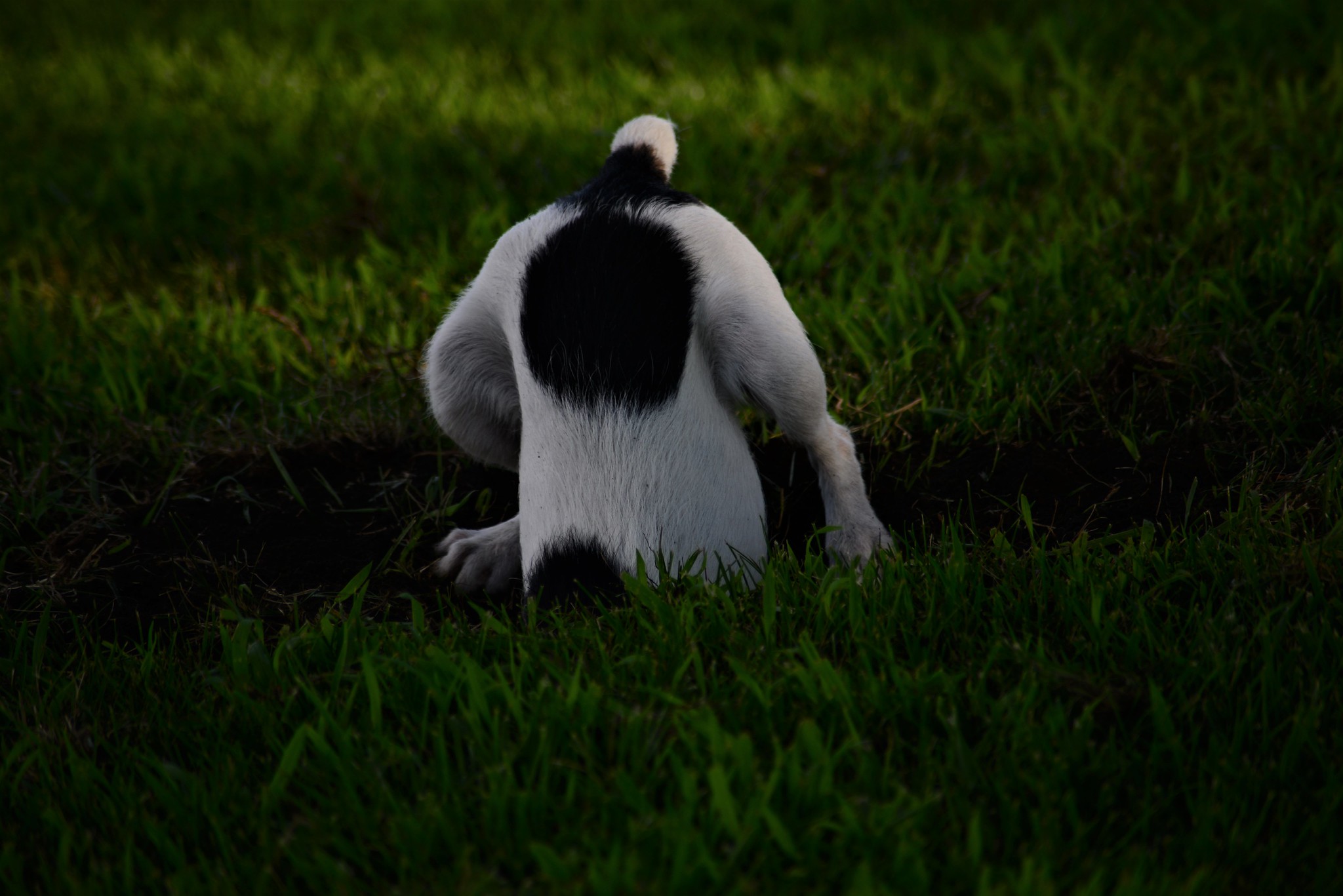
What is it about digging that dogs find so irresistible? Well, the obvious answer is to bury their bones from wannabe bandits, but is there a deeper, more instinctual reason?
It’s true that some breeds are more prone to digging than others, such as terriers and hounds, but some dogs just do it for the sheer love of it. The scents they dig up, the surprizes they find and the joy of getting dirty are all motivating factors for dogs to dig.
Reasons Why Dogs Dig
Boredom - leaving your dog out in the yard for extended periods can lead to destructive behaviours and digging can be one of them. Champion diggers are especially good at digging escape tunnels underneath fences, so keeping an eye on them is always recommended.
Instinct - most dogs, like wolves, learn to dig to unearth prey, or in doggie terms: dinner! Dogs like terriers are particularly skillful at digging because the digging trait has been honed and heightened generation after generation. Rats, mice, rabbits, badgers, anything living underground is easy prey for a terrier.
Cooling Off - digging a hollow in the cool, moist ground where a dog can lay down and rest their belly is an efficient way to chill out for dogs. Huskies, Malamutes and Spitz-like breeds are known for using this technique to cool off.
Denning - female dogs will dig when they’re pregnant or just because they’re females and it’s in their nature. Digging a safe place to hunker down is a natural part of being an expectant mother and a great way to set up a cozy, secure place to settle down for a few hours.
Hoarding - burying their bones or toys is a natural instinct and the best way to keep other dogs (or wolves) away from food and treasures. When a dog buries a bone, his intention is always to go back and fetch it later. Two holes for the price of one!
If your backyard is turning into a moonscape full of holes and craters from your dog’s digging, there is a tried and tested solution to the problem. A simple remedy that will train your dog to dig in the right spot, because, let’s face it, digging is in their genes.
Instead of dismissing their behaviour, encourage it by setting up a sandbox where your dog can happily dig away and have no muddy paws to track into the house. Here’s how it’s done:
Set up a child’s sandbox full of safe, play sand. Place it in a shady area of your yard or set up some shade, using a tarp or patio umbrella.
Introduce your dog to the sandbox and bury a few toys in the sand. Instruct your dog to find the toy (or treats), helping her to understand by digging for them.
Repeat this bury-and-search routine for a few days, before moving up to the next level. When your dog is not looking, bury some toys and treats in the sand and encourage her to find them on her own. Each time, bury the items deeper and deeper in the sand to make the exercise a little more challenging.
It’s always better to teach this digging solution to dogs at a younger age before the behaviour develops into a problem. But any dog at any age, given their own special digging spot in the backyard, is bound to succumb to the temptation. No more unsightly holes in your garden and one contented dog in the sandbox. Everyone’s happy!
dog is trying to stay cool. Dogs bred for colder climates, like Huskies, Chows, Malamutes, and other “Spitz”-type dogs
https://www.akc.org/expert-advice/training/why-is-my-dog-digging/
that love to dig, but even the most unlikely candidate loves to get their paws muddy at times.