Your Cat’s DNA Could Surprise You
September 14, 2020
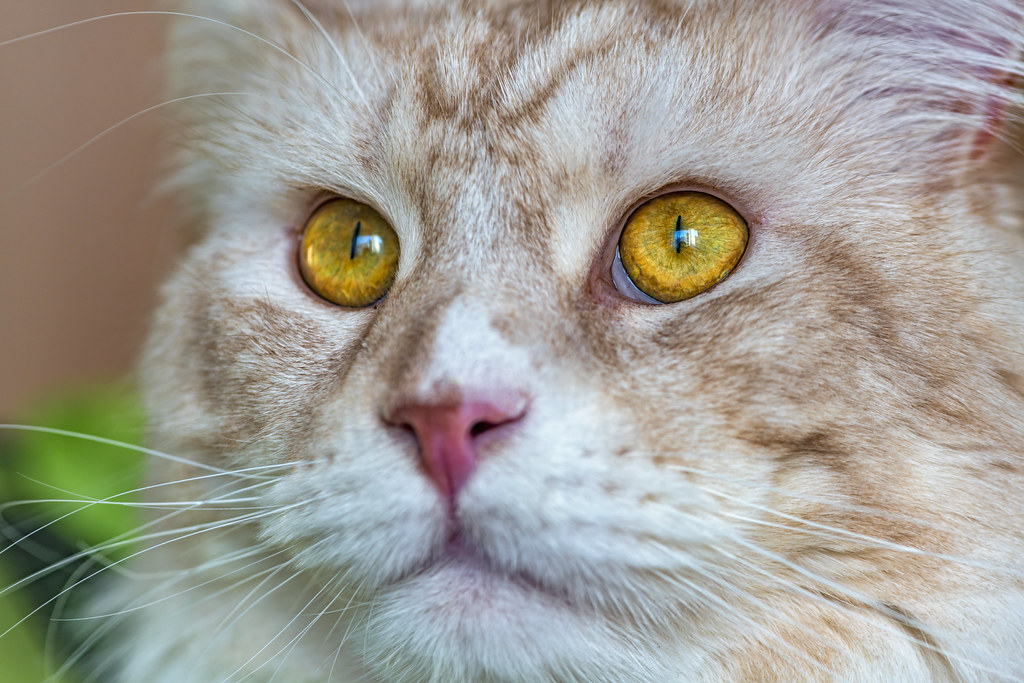
Photo credit: Tambako The Jaguar
Genetic testing is the new cat craze that has pet parents in a frenzy.
Just like humans who are curious about their ancestry, so too are pet owners inquisitive about the DNA of their cats. This is particularly true if you’ve decided to adopt a cat from a shelter. You may think you’re taking home a ginger or grey tabby cat, but underneath that fluffy coat lies a whole different sequence of truth.
Much the same way humans get their DNA tested, companies are offering DNA testing for cats. DNA test kits can be ordered online and range in price from $100 to $600. Once you receive the kit in the mail, simply swipe the inside cheek of your cat with the cotton swab provided and pop it back in the post. It takes about 4 to 6 weeks to find out who your cat really is beneath all that gorgeous fur.
You can choose from three different types of testing from breed specificity, to breed type and health markers, to the Cadillac of genetic testing: whole genome sequencing. DNA tests can estimate your cat’s ancestry to more than 17 different breed types and from four main regional areas.
Unlike genetic testing for dogs, DNA testing for cats is much more general. The DNA of dogs is easier to detect, as they have been bred specifically to perform certain jobs like hunting, herding, and protecting, and their genes are strongly suggestive of those backgrounds. But cats are more general in nature and this can be a bit confusing.
For instance, you may think you’re living with a domestic short hair, but genetic testing may show that your cat’s genetic origins are actually Persian with a little Siamese thrown in for good measure.
So what are the benefits of genetic testing for your cat?
If you’ve decided to get your cat’s DNA tested, most vets will recommend getting the kit for genetic breed and health markers. This will not only tell you where in the world your cat hails from but also what diseases and disorders they will be prone to later in life. This is valuable information because you can customize their diet and exercise program to the health challenges they will face as they mature. It’s a much more proactive way of taking care of your feline friends.
In addition, diseases and disorders may exist in your cat that your vet cannot detect without a genetic test, and even the most simple surgical procedures could pose problems once they are under the knife. Bleeding disorders is just one example of such a case.
Not only will you be helping the health and longevity of your cat by getting them genetically tested, the information sent to the laboratory will form a huge database for veterinarians and animal behaviorists to increase further study and understanding of our beloved felines.