A guide to leash-training for your furry friend.
May 3, 2016
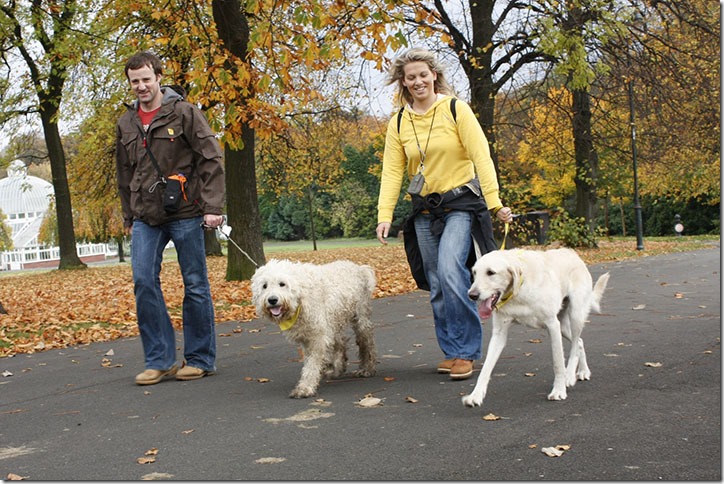
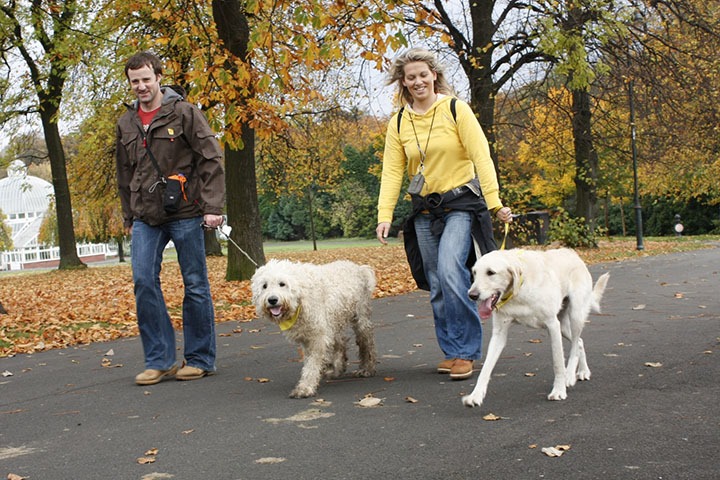
Whether you are a professional dog walker or a first time learn on the go participant. Walking your furry friend isn’t always well – a walk in the park.
While you are walking your dog aspects like over-excitement, anxiety and general overall awe can be the cause of you flying down the street as your furry friend races from one bush to another to discover all the exotic scents that its nose can find, oblivious to your attempts to return to a brisk pace.
There are many vital factors and causes of leash training. It can help to establish obedience with your furry friend (this however is only a necessary element to include if you happen to have a cheeky pet), it also leads to a happier and satisfied environment for your pup due to the exercise and ability to explore new scents.
Politely training your dog while on a leash will also aid you. Instead of flying down a street with your furry friend taking the lead, you will be able to enjoy a brisk walk. Ideally with your dog by your side, despite the amount of slack that you induce on the leash.
When first beginning walking on the leash, it is important to restrict the slack on the leash to a certain degree. The ideal scenario is just enough slack so that they are comfortable walking next to you. Be sure not to restrict them too much as this can cause panic.
Use a reward based system on certain commands tied with movements on the leash. For example, when you wish your dog to stop pull firmly but gently on the leash and say “Stop.” If they do as you have said, usher them a doggie treat so that they are aware that they have done the correct thing. Over time this will turn into a habit.
Another important factor to remember when walking with your dog is not to allow your dog to pull you around, remain calm but do not yield. If you do your furry friend will learn tugging is an efficient method to getting to where they want and before you know it you will find yourself flying down yet another street.
Choose the leash and color on your pup carefully. A flat collar is ideal, something that won't choke them. A collar should be adjusted so that you are able to place two fingers between the skin and collar around the neck. This will ensure that your furry friend does not suffer throat restrictions due to the collar.
The most important factor to keep in mind for a positive impact and experience in leash-training is to remain calm. Refrain from yelling and losing your temper. It took humans years to walk properly, allow our furry friends some time to adjust to walking on a leash and before you know it you yourself will be enjoying the experience!