How to Train Your Dog to Behave on a Leash
June 29, 2015
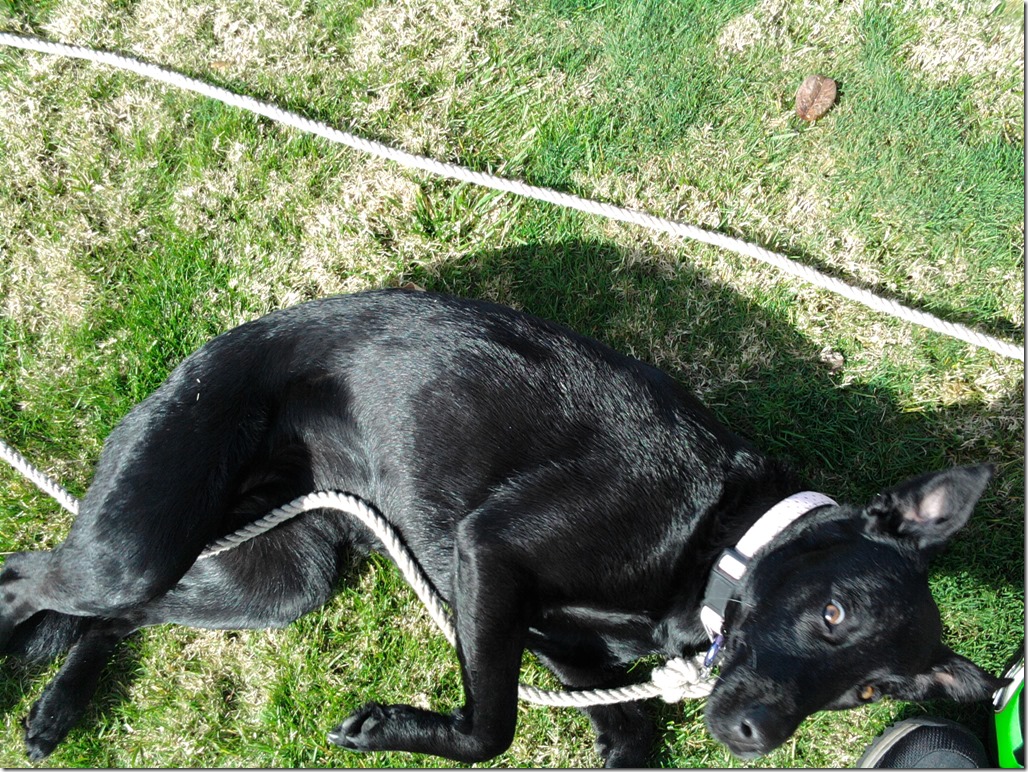
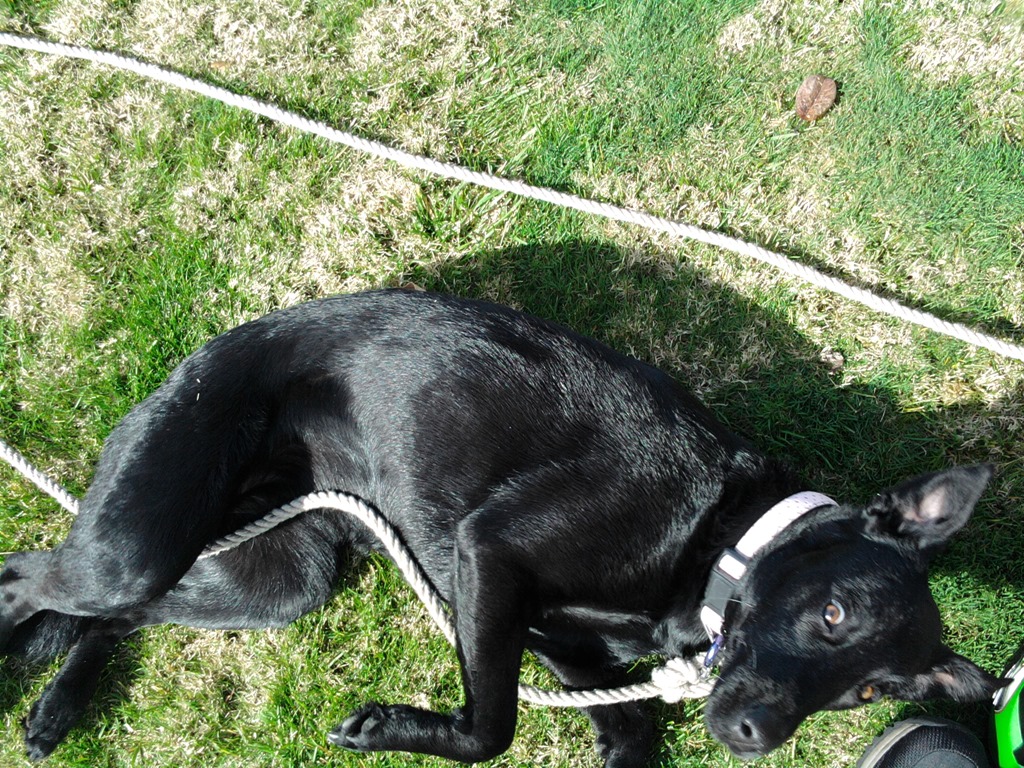 Leash training is an essential part of owning a dog. It can help establish your dominance and aid obedience, but it will also help keep your dog safe and happy when out and about around dogs and other critters. Training your dog to walk politely on a leash is about establishing boundaries with your dog. Ideally, your dog will eventually learn to stay by your side, even if you give them slack on the leash.
When training initially, it is important not to give the dog too much slack. Grip the leash so that it is slightly slack when your dog is standing next to you. Be sure to give them enough length on the leash to turn their head; you don't want to make them feel like you are dragging them. If they try to pull away, hold firm and give them a very slight tug to keep them on track, partnered with a command, like “stay” or “wait”. Also bring along some training treats to reward your dog when they wait patiently or walk calmly by your side. If your dog keeps pulling on the leash, stop and wait until they stop pulling. Do not yank the leash or yell at the dog. Remain calm and don't give in to the tugging, otherwise your dog will learn that tugging is an effective way to get where they want to go.
A common mistake is to give the dog the full length of the leash to roam around as you are walking him. This will allow the dog to sniff every plant and signpost that you come across, thereby distracting them. This can be dangerous for your dog, as they could suddenly jerk away from you if they catch wind of something interesting. A long leash also allows your dog to get near to pedestrians and other dogs, which can make some people uncomfortable or cause a conflict to break out between the two dogs.
If you are taking your dog out to use the bathroom, stop completely before you allow the dog full advantage of the long leash. This lets the dog know that it's okay to sniff around and find a place to do their business. This will associate stopping with using the bathroom so your dog won't go to “mark their territory” on someone's bicycle as you walk by.
Choose your dog's leash and collar carefully. You do not need a choke collar to properly train your dog; a general flat collar is usually fine. Tighten the collar so you can easily slip two fingers underneath so as not to cause choking. If your dog is particularly large or rambunctious, you may consider a limited-slip collar, which is specialized to not injure your dog. Traditional choke chains have been known to cause damage to the dog's tracheas and are not recommended. If fitted and used properly, a limited-slip choke chain will be slack most of the time and only tighten momentarily to correct behavior.
The important thing to remember is to be calm and patient with your pup. They won't catch on right away and will need lots of positive reinforcement. Don't get rough with the lease, especially if you are training a puppy. Leash training takes time, but both you and your dog will be happier and safer once your dog knows how to behave on a leash.