Are Your Dog’s Vaccinations Up To Date?
January 20, 2021
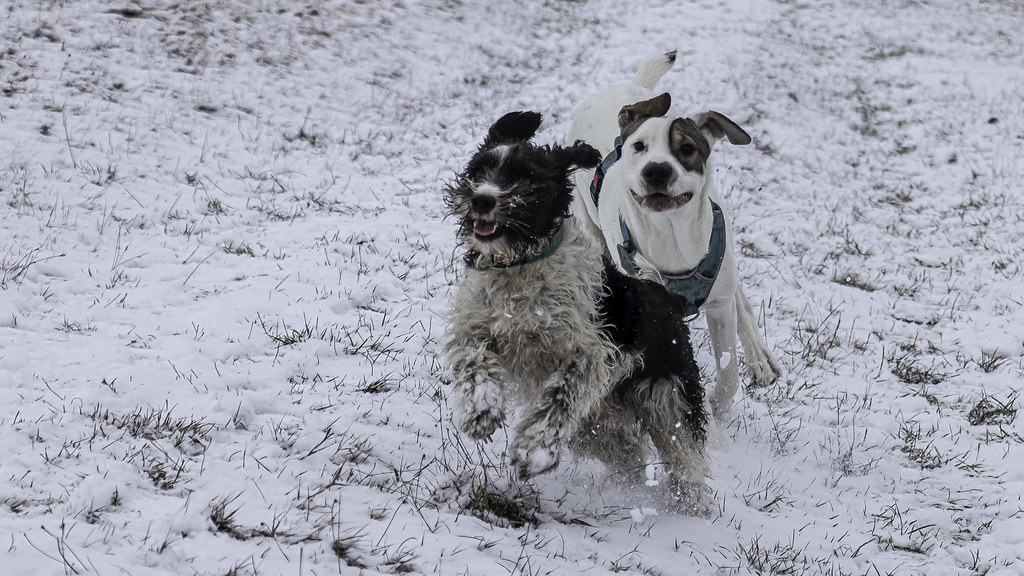
Veterinarians are warning dog owners of a particularly aggressive strain of kennel cough this year that is currently making the rounds of the dog parks.
Since the pandemic, vets have seen a decline in pet visits and are worried that many dogs have not been fully immunized for the year. Many dog owners have opted to stay away from the veterinarian and this has resulted in an increase in the number of contagious diseases like kennel cough.
What Is Kennel Cough?
Kennel cough is a double infection, both viral and bacterial, of the lungs. You will know if your dog has a kennel cough by the presence of a persistent, dry hacking cough that sounds as if they have something stuck in their throat.
If left untreated, kennel cough can worsen and obstruct the airways, producing a wet, wheezy cough. In rare cases, it can progress into pneumonia, especially in older and infirm dogs.
Can Humans Get Kennel Cough?
Kennel cough cannot be transmitted to humans; however, it is highly contagious among dogs. So you will need to quarantine your dog and give up going to the dog park for the next 3-6 weeks.
Should I Take My Dog To The Vet For Kennel Cough?
Because there is a high risk for kennel cough to worsen in puppies, older dogs and those with pre-existing health conditions, it’s always a good idea to take your dog to the vet to get them checked out. Here is a list of symptoms to watch for:
- Hacking, persistent cough
- Coughing up white, foamy substance
- Sneezing
- Fatigue
- No appetite
- Low fever
How To Get Rid Of Kennel Cough
In healthy, adult dogs, kennel cough will resolve itself and clear up within three weeks. During that time, you want to keep your dog close to home, feed them plenty of fresh water and make sure they get lots of sleep. They may be off their regular food, so you can try boiling some chicken (with the skin on) with some rice. This will help settle their tummies and is easy to digest.
It’s important to keep your dog’s water and food bowls cleaned and sanitized every day to prevent re-infection. If you have other dogs in the house, keep them in a separate area so the kennel cough doesn’t spread.
If you don’t see any improvement in your dog’s symptoms by three weeks, your vet will likely prescribe medication and a cough suppressant.
Get The Bordetella Vaccination
To avoid future outbreaks of bordetella and to help limit the spread of kennel cough, keeping up to date with your dog’s annual vaccinations is very important. Even if there is a pandemic on, your dog’s health relies on regular check-ups and yearly immunization shots.