Flea and Tick Control: What Is The Best Option For Your Pet?
May 28, 2015
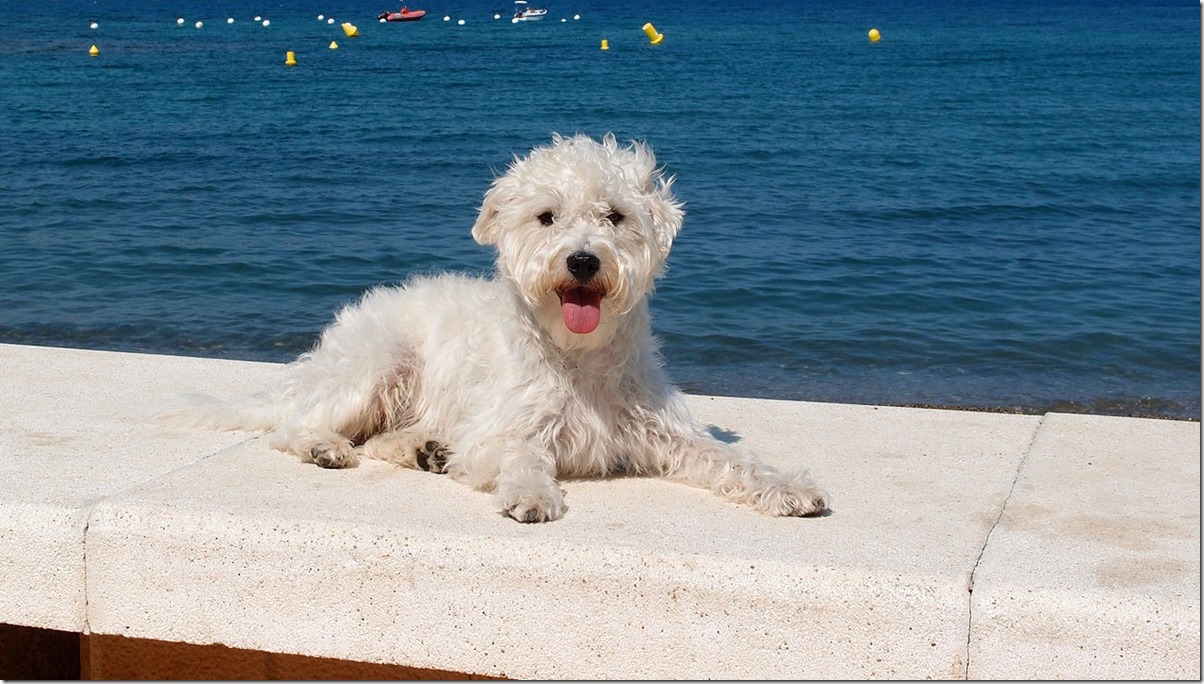
Over the past few years there has been a huge increase in newly released flea and tick products for dogs and cats. Choosing the correct flea and tick preventative has become a daunting task. In addition, advertisers market their products as the “most effective”, “the safest”, or “the quickest kill”, this makes it confusing for us consumers.
There are many different flea and tick preventatives, this article is going to go over some preventatives. Every dog has different needs, there is no product on the market that is the best for all pets. There are 6 questions that will help you select the best flea and tick control for your pet.
1. Does my pet have exposure to fleas and ticks?
If your pet goes outside, then it can be exposed to fleas and ticks. According to the U.S Center for Disease Control fleas and ticks are present in every state in the United States. Having a good flea and tick preventative will help you pet stay free from serious and life threatening diseases such as tapeworms, Lyme disease, and rocky mountain spotted fever.
2. Is my pet at a high or low risk for exposure to fleas and ticks?
Fleas and ticks are present in both urban and rural areas. They usually crawl up onto a blade of grass and wait for a warm blooded animal to pass by to jump onto their next meal.
By determine your pets risk for flea and tick exposure you will help narrow down or eliminate some of the products out there. Products containing Selamectin, Fipronil, Amitraz and pyrethoids are usually labeled to control fleas and ticks. If your pet has minimal exposure to fleas and ticks, then the tick efficacy of the product is not that important to you. You may want to select a product that just has flea control in it. If your pet roams in dense, wooded areas, then your tick exposure is high and tick control efficacy is a very important consideration when choosing an insecticide. exposure you will help narrow down or eliminate some of the products out there.
3. Does your pet go to daycare, dog parks, or forests? Or, does it stay in its own backyard?
The more social your pet is, the higher its exposure to these pests. Even though your pet may only visit your backyard, it can still be at risk for catching these pests. Animals such as racoons, rabbits, and stray cats may bring fleas into your backyard.
4. Does your dog go swimming or get bathed often?
If yes, then it is important that you choose a flea and tick control that is guaranteed to still be affective with constant water exposure. When applying all topical insecticides it is important to wait at least 48 hours before exposing your pet to water. This will ensure it is effective. If your pet does not go swimming and does not get bathed regularly then it does not need a water proof preventative.
5. Do you own a cat?
Applying certain chemicals like cyphenothrin, deltamethrin, permethrin, and phenothrin on your dog can be toxic to your cat. Just allowing your cat to rub next to your dog, or cuddle beside it can be incredibly toxic for your cat.
When purchasing flea and tick preventative for your cat it is important that the product is specifically labeled for cats. It is important to avoid the amitraz or pyrethoid containing products. It may also be a good idea to avoid flea collars on cats. Cats roam outside and can get their collars caught on things like branches, which can be a potential strangling threat.
6. How old is your pet?
Some flea and tick preventatives are not safe to apply on puppies under the age of 8 weeks. Some products are not recommended to apply on ill or pregnant dogs. Read the label for limitations before applying it onto your pet.
If your pet cannot use flea and tick preventatives make sure to brush your dog out at least once a day with a flea comb during pest season. Do the combing on a white towel or other light fabric so you can see what is coming of your pet’s coat. Flea feces looks like real dirt, but when suspended in a little water it will dissolve and release a red colour allowing you to discern real dirt from flea dirt. There are many holistic alternatives to flea control that may be suitable for your pet if fleas are detected.
Do not fall victim to the boastful flea and tick advertising campaigns. Choosing the best product for your pet based on your risk level and your veterinarians advice, will make you proactive with your pets health and allow you to enjoy the beautiful weather outside with your beloved pets without worry of a flea infestation.