What To Do If Your Pet Is Sick
March 24, 2023
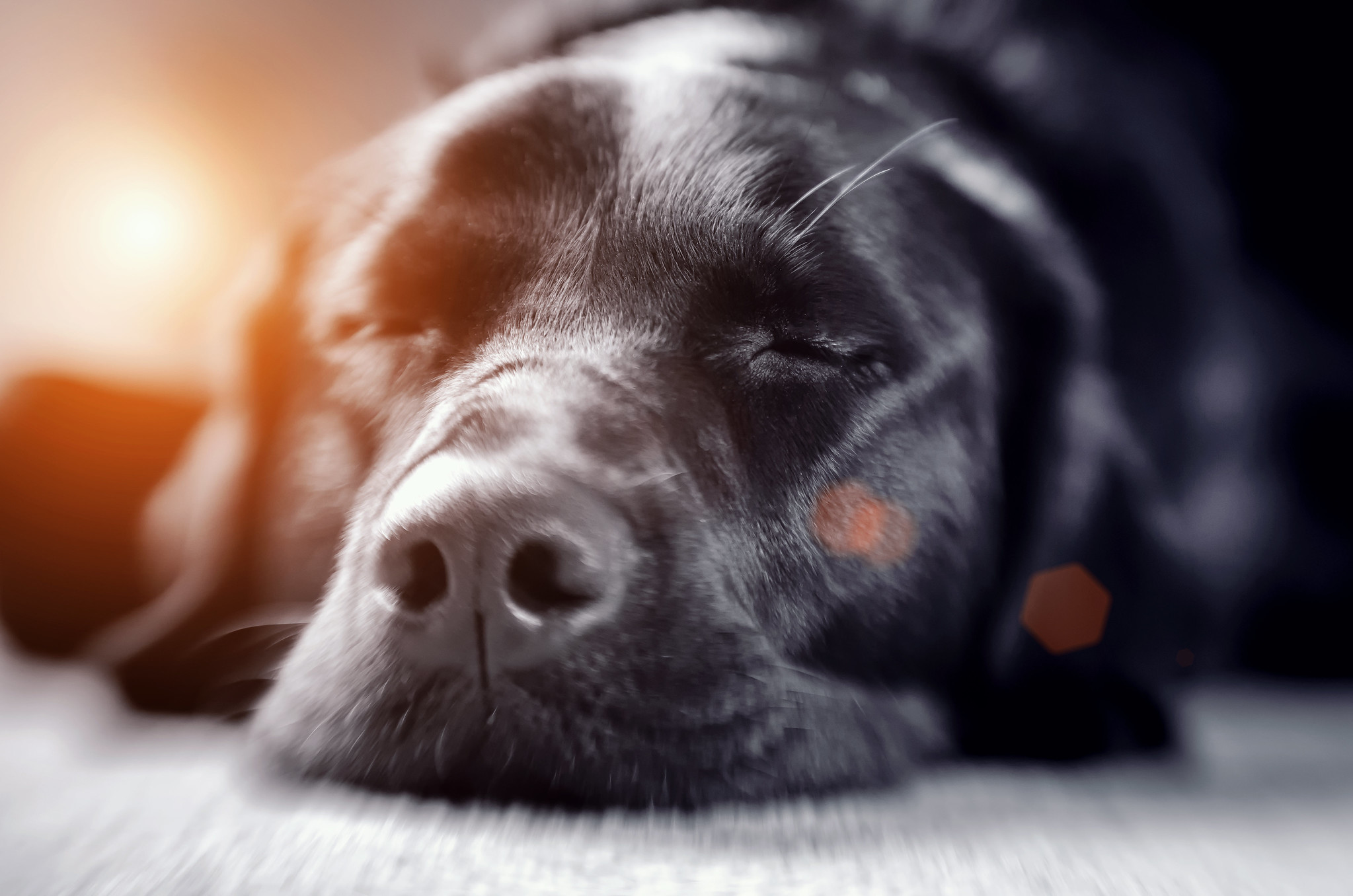
The one thing we know for sure about our pets is their predictability. From one day to the next, we know how they are going to behave. So when they're feeling under the weather, it’s pretty easy to tell something is wrong.
One of the first warning signs that your pet is not feeling well is when they stop eating. We’re not talking about picky eaters here, who regularly turn their nose up at food. It’s more of a change from having a healthy appetite to not eating anything at all.
According to the American Humane Society, a severe illness requiring emergency attention involves a bunch of symptoms, including:
Serious trauma or excessive bleeding
Inability to urinate
Bloated, hard belly
Excessive vomiting or diarrhea
Difficulty breathing or swallowing
Seizures
Difficulty in walking or standing up
In other circumstances, it may be wise to wait a day or two to see if symptoms worsen. For example, if your dog is off their food for a day but regains their appetite the next day, it might not be anything to worry about. To be on the safe side, you can always make an appointment to see the vet. Less severe symptoms that don’t require emergency medical assistance can include:
Loss of appetite
Low energy and lethargy
Hiding from the humans
Unexplained whining or crying
If your pet does not recover after a day or two, call the vet and make an appointment. They will give your pet a thorough examination. For serious conditions, your vet will order a series of tests to diagnose the problem. These may be as simple as a urine or stool sample or more advanced tests, such as x-rays and blood tests.
In most cases that are less severe, your pet will be prescribed medication and special care. This may include a change in diet and administering the medication. In order for your pet to make a full recovery, it’s important to follow the directions your vet gives you for medication and home care.
Your vet should check in on you after 24 hours, but if you notice your pet’s symptoms getting worse, phone your vet right away. New symptoms could be the result of side effects and your pet may need a different medication.
Your vet may want to examine your pet after you have finished all the medication. This may require more tests or simply a physical exam. Even if your pet is acting all better, it’s important to follow up with your vet to avoid recurring illnesses.
This may also be a good time to work from home so you can keep an eye on your pet’s condition. If you have to go into work, try getting a pet sitter to mind your pet and give them their medication during the day. Nobody likes to be alone when they’re feeling sick.