Ways To Cope With Your Dog’s Separation Anxiety
September 10, 2021
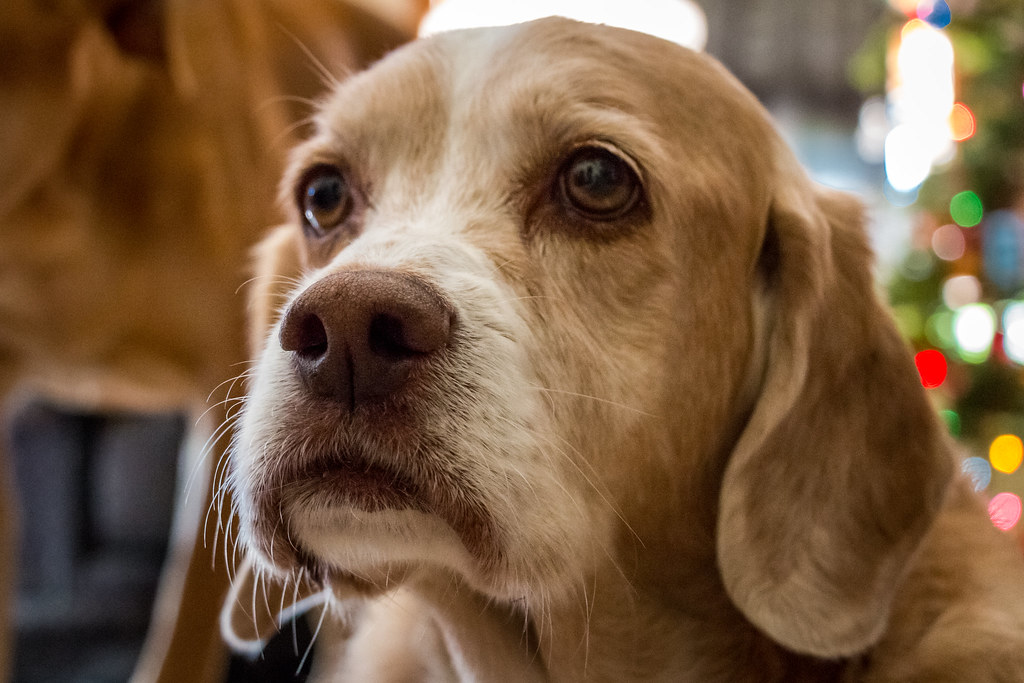
With so many people returning to their places of work after a long lockdown, pandemic puppies might be feeling a little anxious at finding themselves alone for the first time.
Being highly social animals, separation anxiety is a common problem with dogs. It is also one of the top reasons these poor creatures find themselves surrendered to a rescue shelter. But with a few hours of training, you can teach your dog to be a happy canine when he or she is home alone.
Separation anxiety can manifest itself in many forms, depending on your dog’s nature and proclivities. Your dog could bark and howl for hours and hours on end or they could become very destructive and chew everything in sight. Other dogs might even try to escape, which is a huge worry. So what can you do?
Watch for signs of distress
When you’re getting ready to leave the house, watch your dog closely for any signs of distress. These can include shaking, pacing, panting and whining. These are all considered normal behaviours, especially when there’s a change in your daily routine. Dogs depend on their daily routine to make them feel secure and it helps to keep them in tune with their people and surroundings.
Use distraction techniques
According to the ASPCA, counterconditioning can help to reduce or resolve mild cases of separation anxiety. The best way to distract your dog is with food and treats. Use a puzzle toy like a Kong filled with something they love (that is also nutritious), such as wet dog food. If you place the Kong in the freezer the night before, it will take your dog even longer to work his way through it. Any puzzle toy will do, as long as it keeps them busy for at least 30 minutes.
What this counterconditioning method does is to give your dog something to look forward to when you leave. Over time, they will begin to associate your leaving with some yummy treat. So instead of getting anxious, they will be happy.
Take them for a nice, long walk
Before you leave your dog at home, take them for a nice, long walk to tire them out. It will help to relax them and if it’s part of the routine, it will also help to prepare them for your departure.
Use short absences at first
In more severe cases of separation anxiety, it’s going to take a lot longer to counter condition your dog. Start by exiting the front door and just standing outside for a few minutes. Slowly work your way up to leaving your dog alone for only a few minutes at a time, gradually increasing the length of time over a matter of days or weeks.
Practice desensitization
Your dog will have picked up on the cues that tell him you’re going out. The obvious ones include putting on your coat, collecting your keys or heading for the front door. A good way to desensitize your dog is to do all these things and then go nowhere. Put on your coat and sit down and watch TV. Play with your keys while you’re walking around the house. Unlock the front door and then walk away.
Stay calm
Nothing heightens anxiety more than being anxious yourself, and seeing how distressed your dog gets can easily stress you out. So besides watching your dog’s behaviour, be mindful of your own. Make sure departures are calm and quiet events and not hurried, rush-out-the-door affairs. And only leave when your dog is in a calm state. Leaving him at the height of anxiety will only enforce his feelings.
Take your dog to daycare
You might have to resort to either a dog sitter or doggie daycare if the situation doesn’t improve. It may only be a temporary measure but it is another option to consider.
Consult a dog trainer
It’s not easy training a nervous dog not to be anxious, so turn to the professionals for some expert help. They can work side-by-side with you and your dog to defuse a potentially volatile situation.
Don’t crate your dog all day
Crates are supposed to be a safe haven for your dog and not a punishment or a place to be locked-up all day. Crating an anxious dog can often cause trauma and make recovery even harder. Besides, they can still bark and howl in a crate, as well as do a lot of damage to themselves if they try to escape.
Most importantly, don’t give up. It takes patience, consistency and time to train a dog. But for a well-behaved dog, it’s all worth it.